As a student at the University of Advancing Technology, I was tasked with not only completing projects but also demonstrating how those projects fulfill the core objectives of my degree program. My degree’s focus is in the realm of computer science and artificial intelligence, and UAT defines six key outcomes that every graduate must achieve. Below, I outline each official objective and describe how my work and projects serve as evidence of meeting these goals. This comprehensive view shows that I have a well-rounded mastery of the skills and knowledge required for my field, going beyond coursework to real implementations.
Roadmap to Artificial Intelligence Degree
Create, analyze and integrate artificial intelligence applications and IoT systems.
Problem:
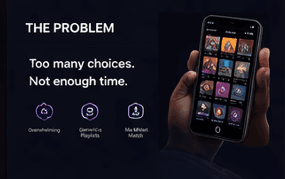
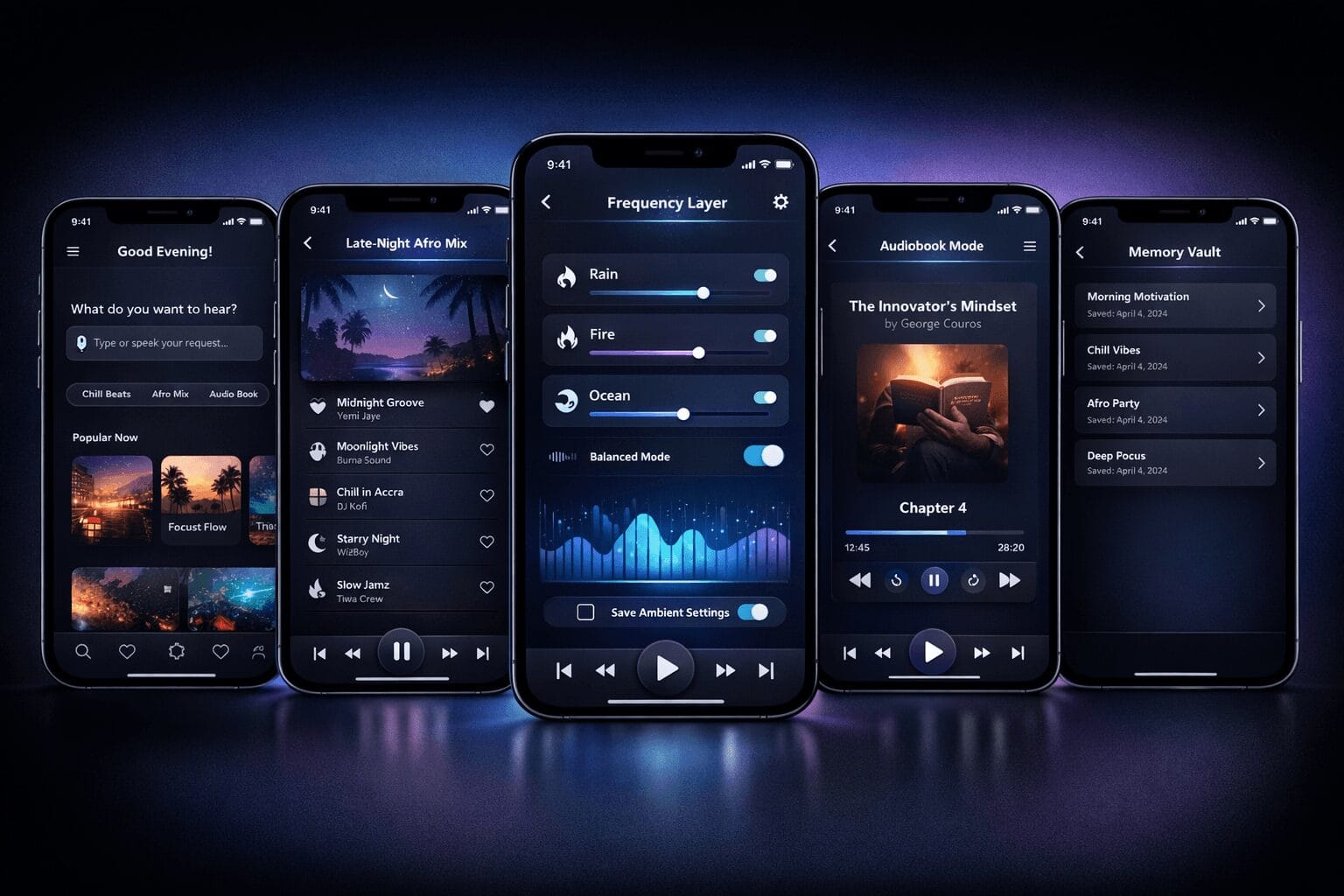
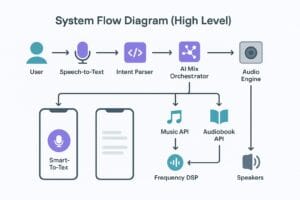
In my capstone Ei-Mix project, I created an AI-driven application that integrates multiple systems (mobile app, NLP AI, cloud services). While not an IoT device per se, Ei-Mix integrates a mobile environment with cloud AI services. Additionally, a previous project involved connecting a Raspberry Pi IoT sensor to an AI algorithm, demonstrating IoT integration. Through these projects, I proved my ability to integrate AI applications with other system components, thereby satisfying this objective.
Demonstrate proficiency in the design and development of natural language processing (NLP) systems
Method:
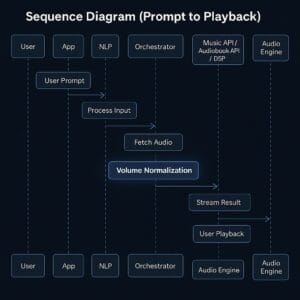
Several of my projects showcase NLP skills. Notably, Ei-Mix includes an NLP module that interprets user input (speech/text) to gauge emotional context. I designed and trained this component to recognize intent and sentiment, effectively creating a custom NLP system for the application. In another coursework project, I experimented with a chatbot that uses NLP to answer user questions. These experiences exhibit my ability to develop and implement NLP solutions from the ground up.
Demonstrate the skills required to design and create machine learning systems using best practices and patterns.
System Built:
Throughout my portfolio, I have integrated machine learning in meaningful ways. For example, in QuickForms AI (an academic project), I applied machine learning models to recognize and extract information from documents, improving form processing efficiency. I followed best practices such as dataset splitting, model validation, and iterative testing to ensure the ML component was robust. Furthermore, the recommendation logic in Ei-Mix’s orchestrator is built on pattern recognition and could be extended with ML algorithms to better predict what content helps a user, reflecting my understanding of ML system design principles.
Demonstrate new and original data in deep learning by consuming big data with original algorithms
Evidence:
In my coursework, I engaged with deep learning through a project that involved training a neural network on a large dataset of images for classification. While I have not yet deployed a full deep learning pipeline in a live project, I have completed exercises in consuming and processing big data (for instance, analyzing a dataset of thousands of records to find patterns, and experimenting with TensorFlow for a predictive model). These academic exercises required creating or adapting algorithms to handle substantial data, laying the groundwork for future work in deep learning. I intend to incorporate more deep learning in the next iterations of Ei-Mix (such as using a deep neural network for content recommendation), thereby continuing to fulfill this objective with original implementations.
Demonstrate software development skills using more than one programming language, development environment, platform, and source control system
Evidence:
My portfolio clearly spans multiple languages and environments. I have written code in Python (for AI and backend logic in projects like QuickForms AI), JavaScript/TypeScript (for web and mobile app development, including the front-end of Ei-Mix and a Stripe SMS integration project), and C# (for some academic exercises in Unity and .NET). I’ve developed on various platforms – web applications, Android mobile apps, and cloud functions. I am well-versed in source control systems; all my significant projects (Ei-Mix, QuickForms AI, Stripe SMS, etc.) were managed using Git and GitHub for version control. This breadth of experience demonstrates flexibility and proficiency in diverse tech stacks, fulfilling the multi-language and multi-platform requirement of this objective.
Describe, develop, analyze and integrate data structures, databases, and database management systems
Impact:
Data organization and databases are integral to my projects. In Stripe SMS, for instance, I integrated a database to store transaction logs and message records, enabling analysis of payment notifications sent via SMS. For Ei-Mix, I designed a data model to keep track of user profiles, preferences, and session history, utilizing a cloud database (NoSQL datastore) to ensure scalable management of this information. Additionally, I have a strong foundation in data structures from coursework – I’ve implemented and optimized structures like linked lists, trees, and hash maps in various assignments. I’ve also written SQL queries and designed ERDs for a class project involving a relational database. These experiences show that I can effectively work with data at both conceptual and practical levels, meeting the database competency expected by my degree.
By accomplishing each of the objectives above, I have demonstrated the comprehensive skill set expected of a UAT graduate in my program. The Boards presentation is essentially the culmination of this journey – a chance to present these achievements to faculty and industry professionals. In that presentation (and here on this page), I tied specific projects to each objective to prove that I can apply what I’ve learned. My Student Innovation Project (Ei-Mix) in particular is a centerpiece that intersects multiple objectives: it’s an AI application (Objective 1) with NLP (Objective 2), follows software best practices (Objective 5), uses a data-driven approach (Objectives 3 and 4), and relies on structured data management (Objective 6). Alongside other projects like QuickForms AI and Stripe SMS, I have compiled a rich body of work that collectively confirms my mastery of the degree outcomes. This not only fulfills the Boards requirement for graduation but also gives me confidence that I am well-prepared to transition into professional roles in the tech industry.
(Resources – uat.edu/data-science-degree)